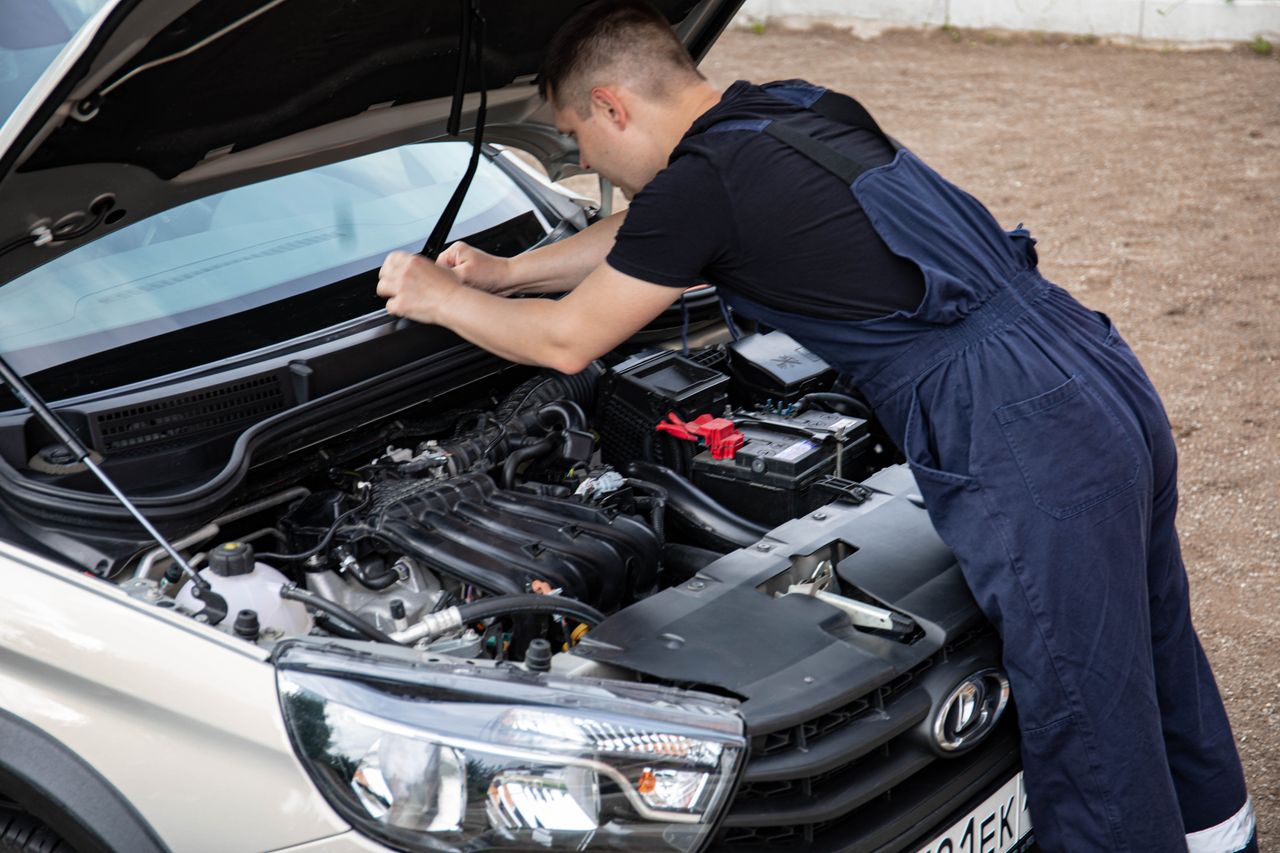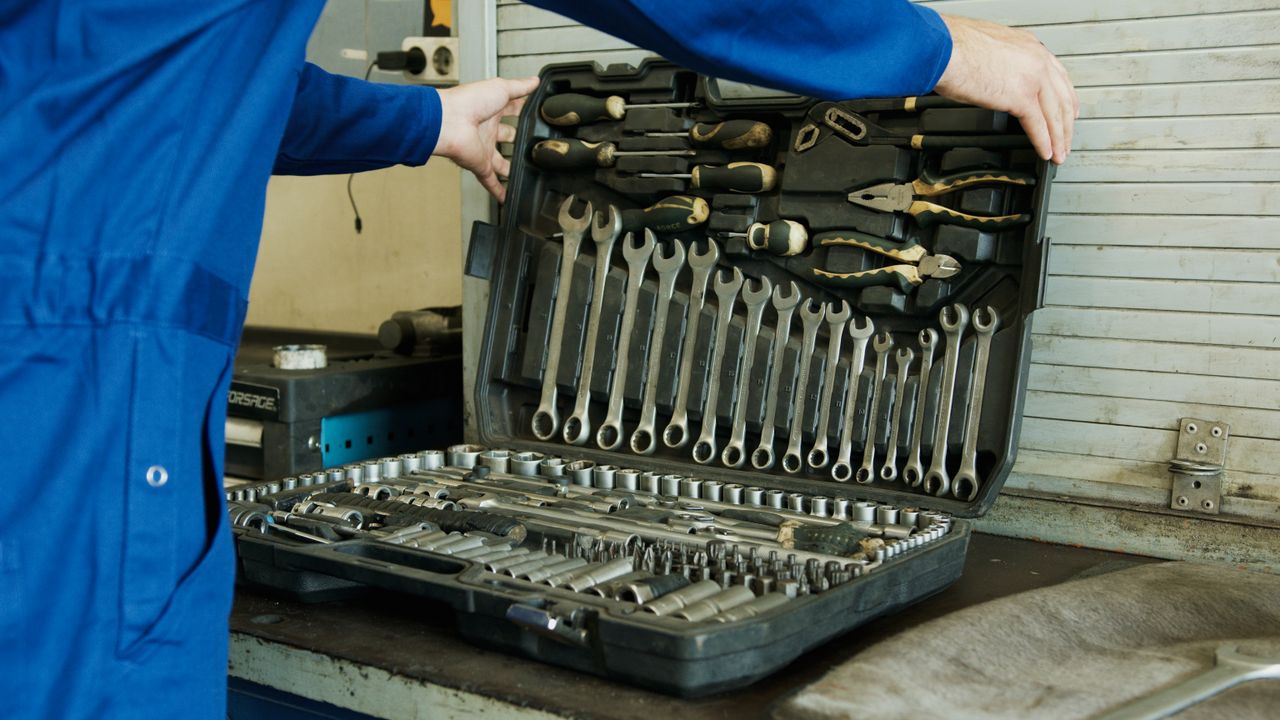
Photo by Artem Podrez from Pexels
A cluttered, disorganized vehicle can quietly undermine a tradie’s efficiency day after day, even when the impact isn’t immediately obvious. Taking a more deliberate approach to organization pays off in ways that go well beyond simply looking tidier.
Starting With an Honest Inventory
Before organizing anything, it helps to take stock of exactly what tools and equipment actually get used regularly versus what’s rarely, if ever, touched. This honest assessment prevents wasting valuable storage space on items that could reasonably be stored elsewhere rather than taking up prime vehicle real estate.
Grouping Tools by Task or Frequency of Use
Rather than organizing tools purely by type, many experienced tradies find it more efficient to group items by the specific tasks they’re used for, or by how frequently they’re accessed. Tools used daily should be easiest to reach, while less common items can be stored further back without slowing down regular work.
The Role of Aluminium Tool Boxes in a Practical System
For tradies who need durable, weather-resistant storage that holds up to daily use, aluminium tool boxes offer a practical foundation for building an organized system, combining strength with a manageable weight that doesn’t burden the vehicle unnecessarily.
Labeling and Consistency Save Time
A system only works if it’s consistently followed, and clear labeling helps ensure tools always end up back in their designated spot rather than drifting into disorganization over time. This consistency matters especially when multiple people share the same vehicle or equipment.
Protecting Tools From Damage in Transit
Beyond organization, proper storage protects tools from the kind of damage that comes from shifting, vibration, and exposure during transport. Tools that are properly secured tend to last considerably longer than those left loose to rattle around during every drive between job sites.
Reviewing and Adjusting the System Over Time
As work changes, so do the tools needed regularly, and an organizational system that made sense a year ago might not fit current needs anymore. Periodically reviewing and adjusting the setup keeps it genuinely useful rather than becoming outdated and gradually falling back into clutter.
A well-organized vehicle isn’t just about appearances — it’s a genuine productivity tool that saves time, protects equipment, and makes every workday just a little smoother, one well-placed tool at a time.
Involving the Whole Team in the System
For tradies who work alongside others or manage a small crew, involving the whole team in designing and maintaining the organizational system tends to produce better buy-in than imposing a system from the top down. When everyone understands the logic behind the setup, they’re more likely to actually maintain it consistently.
Accounting for Different Vehicle Types
The right organizational approach can vary considerably depending on whether the vehicle is a compact van, a ute, or a larger truck. Tailoring the system to the specific vehicle’s layout and constraints, rather than applying a generic approach, leads to a setup that genuinely works with the space available.
Making Organization a Habit, Not a One-Time Project
The biggest challenge with any organizational system isn’t setting it up initially — it’s maintaining it consistently over time. Building small daily habits around returning tools to their designated place keeps the system functional long after the initial enthusiasm of a fresh setup has worn off.
The Payoff of a Little Discipline
Tradies who commit to this kind of consistent organization tend to notice the benefit almost immediately, in fewer wasted minutes searching for tools and less frustration at the start and end of every job, making the small discipline required genuinely worth the effort.
Building a System That Lasts
The most successful organizational systems aren’t necessarily the most elaborate ones — they’re the ones simple enough to maintain consistently, day after day, without requiring constant conscious effort. Aiming for that kind of practical simplicity, rather than an overly complex setup that looks impressive but proves difficult to sustain, tends to serve tradies far better over the long haul of daily working life.
A Foundation for Every Working Day
Ultimately, a well-organized vehicle becomes the quiet foundation that every job starts from, and getting that foundation right pays off in ways that compound across every single workday for as long as the system stays in place and keeps being maintained consistently.
Small Upgrades That Reinforce the System
Beyond the initial setup, small additions like labeled dividers or dedicated compartments for consumables can reinforce an existing organizational system, making it even more resistant to the gradual drift back toward clutter that tends to happen without ongoing attention.
Passing the System on to New Team Members
When a tradie brings on an apprentice or new team member, having a clear, established organizational system in place makes onboarding considerably smoother, giving newcomers a straightforward structure to learn rather than having to figure out an ad hoc arrangement on their own.