


Foto von Breakreate auf Unsplash
Unpredictable weather can make everyday dressing frustrating, especially when you want reliable protection without sacrificing comfort or personal style. Bulky rain gear can feel out of place in the city, while ordinary jackets may leave you unprepared for sudden downpours. The right technical outerwear offers a better balance, and knowing how to choose, style, and layer it can make all the difference.
From Remote Ridges to Pavement
The field smock began as equipment for exposed environments where mobility, coverage, and accessible storage mattered. Those same qualities translate easily to city life. A longer cut protects more of your clothes from wind and rain, while a roomy body leaves space for layers when temperatures shift between morning and afternoon.
Fabric innovation has also blurred the line between performance clothing and everyday style. Modern technical fabrics can deliver water resistance and durability without the stiff feel associated with older outdoor garments. This shift toward everyday functionality is also reflected in modern technical outerwear designed for everyday wear, where waterproof materials, lightweight construction, and practical features meet contemporary styling. Matte surfaces, quieter materials, and cleaner finishing make a technical smock easier to combine with casual pieces already in your closet.
For an uncomplicated outfit, wear one over a heavyweight white T-shirt, dark jeans, and low-profile sneakers. Keep the colors restrained so the smock’s pockets, hood, and longer shape provide the visual interest. On colder days, swap the T-shirt for a charcoal crewneck sweater.
Fit determines whether the look feels deliberate. The shoulder seams can sit slightly lower than those of a tailored coat, but the sleeves shouldn’t cover your hands. Aim for a hem that falls around the upper or middle thigh. That length creates useful coverage while still working with standard jeans and chinos.
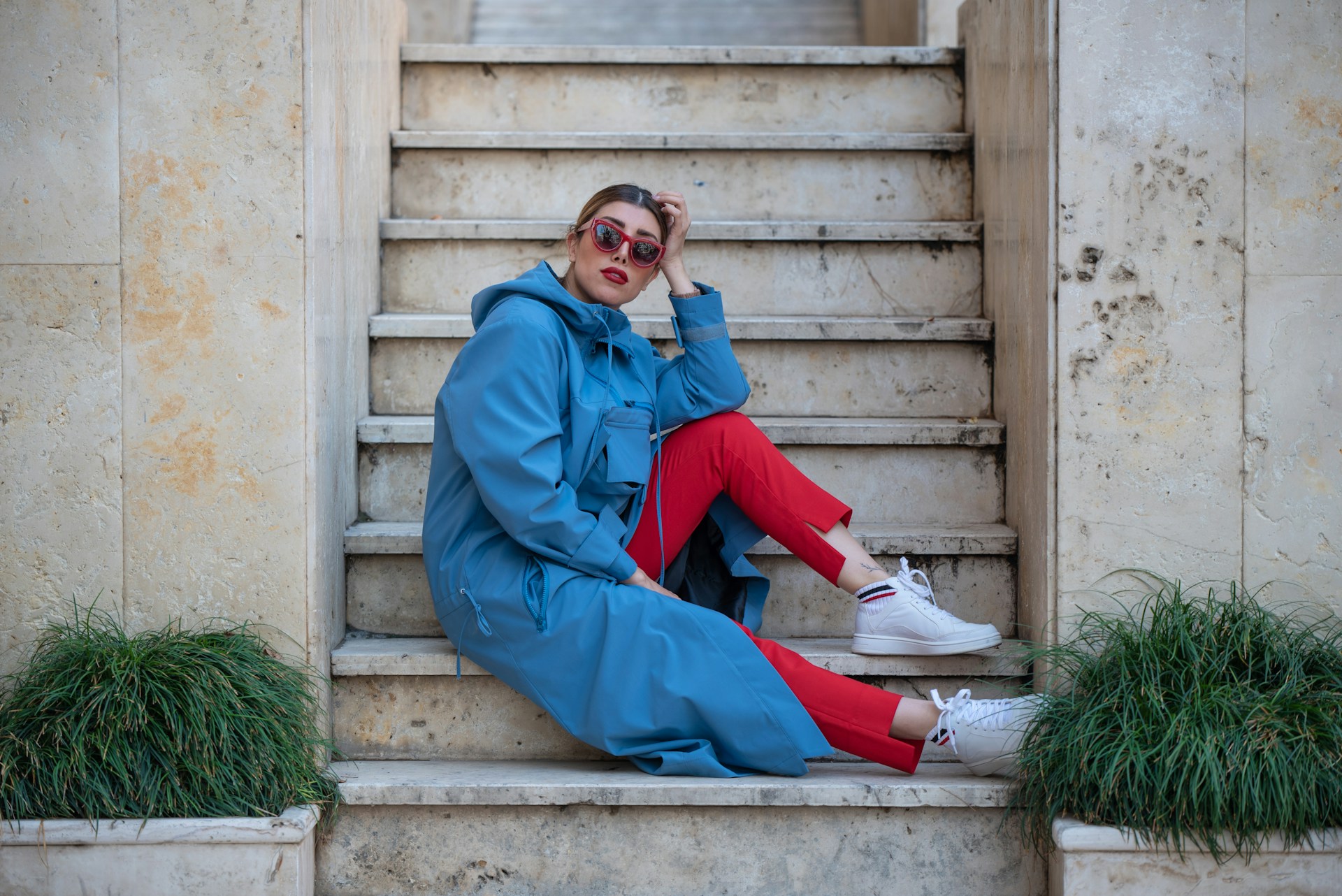
Foto von amir photography auf Unsplash
Features Built for Real Downpours
Start with weather protection when comparing technical smocks. A dramatic pocket layout may catch your eye, but sealed seams, an adjustable hood, and secure closures make the larger difference when rain arrives halfway through a commute. Look for cuffs that close around your wrists and a hem that can be tightened to reduce drafts.
Waterproof and breathable describe different jobs. A waterproof outer layer blocks rain, while breathability helps moisture escape from inside. During a slow walk, almost any dependable shell may feel comfortable. A brisk 20-minute walk to a station creates more heat, so ventilation points and a suitable base layer become more important.
Product details also reveal how seriously a design treats harsh conditions. The Keela MK6 jacket is one example to examine when comparing durable construction, protective coverage and the practical layout associated with high-performance outdoor apparel. Use that kind of specification-led design as a reference, then decide which functions suit your routine.
Check the hood while wearing whatever you normally use underneath. It should turn with your head without blocking your side vision. Test the pockets with your keys, wallet, and phone too. If everything gathers at the waist or swings while you walk, the storage may be generous on paper but awkward in practice.
Care matters as much as construction. Follow the garment label, close fasteners before washing, and avoid ordinary fabric softener if the manufacturer warns against it. Proper cleaning helps the material perform as intended.
Balancing Utility and Proportions
A smock already carries plenty of visual information. Flap pockets, drawcords, and layered closures create texture, so the rest of the outfit can stay straightforward. Straight or gently tapered pants usually balance the longer upper half better than extremely wide trousers. A visible cuff or a clean break over the shoe keeps the lower half from looking heavy.
Use one dominant practical piece per outfit. A field smock combined with cargo pants, an oversized backpack, and bulky boots can feel overworked. Instead, pair it with dark denim and simple leather shoes, or choose plain chinos with understated trail-inspired sneakers. The contrast lets the outerwear look intentional.
Color affects versatility too. Olive, charcoal, navy, and earthy brown sit comfortably beside black, gray, cream, and indigo. Brighter shades can work, though they demand more restraint elsewhere. If your smock has a detailed surface pattern, use solid colors underneath and avoid competing prints.
The setting should guide the final combination. Many offices now allow relaxed outerwear during the commute, but the layer beneath still needs to match the organization’s workplace dress codes. A fine-gauge sweater, collared shirt, and tailored chinos create a cleaner transition once the smock comes off. Creative workplaces offer more room for denim and sneakers.
Before buying, take a side-view photo with the smock closed. This quickly shows where the hem ends, whether the pockets add unwanted bulk, and how the hood sits against your shoulders. Mirrors often hide proportion problems that a photo makes obvious.
Smart Ways to Layer Rough Textures
Texture gives technical outerwear much of its appeal. A smooth waterproof face looks sharper beside brushed cotton, chunky knitwear and worn denim because each material remains distinct. Start with a soft base layer, add warmth through the middle, and let the smock provide weather protection on top.
For mild conditions, try a cotton long-sleeve shirt under the smock with straight-leg jeans. When temperatures fall, use a waffle-knit top or merino sweater as the middle layer. Thick hoodies can work if the smock has enough room through the shoulders, though two hoods often create a bulky stack behind the neck. A crewneck is usually cleaner.
Keep pocket use practical. Store flatter items close to the body and place gloves or a knit cap in larger outer compartments. Your phone should remain easy to reach since it may hold tickets, directions, forecasts, and even a mobile remote app for use once you’re back home. Overfilling every pocket changes the smock’s shape and can pull the hem unevenly.
Footwear should echo the outfit’s level of ruggedness without copying it exactly. Clean sneakers keep the look urban, while suede chukkas or weather-ready lace-up shoes add texture. Match the visual weight of the shoes to the coat. A substantial smock can overwhelm very thin soles.
The best everyday version should still look good when the weather clears, and the front is worn open. If the layers underneath hold their shape and the pockets lie flat, the smock becomes more than emergency rain gear. It becomes the piece that gives an ordinary sweater-and-denim combination its identity.