As soon as outdoor temperatures drop into the single digits, our skin shifts into survival mode. What we perceive as a feeling of tightness, a duller complexion, or sudden redness is the result of complex biological protective mechanisms.
For your upcoming winter skincare features, ingredient deep dives, or routine recommendations, we have teamed up with Typology’s Dr. Stephanie (PhD in Health Sciences) to summarize the essential dermatological facts—and to show how Typology’s minimalist formulations provide targeted support for the skin during the winter months.
The 3 biological reactions of the skin to cold & expert tips:
1. Reduced Sebum Production (< 8 °C)
The problem: At temperatures below 8 °C, the sebaceous glands drastically slow down their activity. The natural lipid layer lacks replenishment, causing water to evaporate more rapidly.
“As soon as the thermometer drops, the skin reduces its own internal lipid production. To support a weakened skin barrier, we must supply it with physiological lipids from the outside—lipids that seal moisture into the stratum corneum.”
— Dr. Stephanie
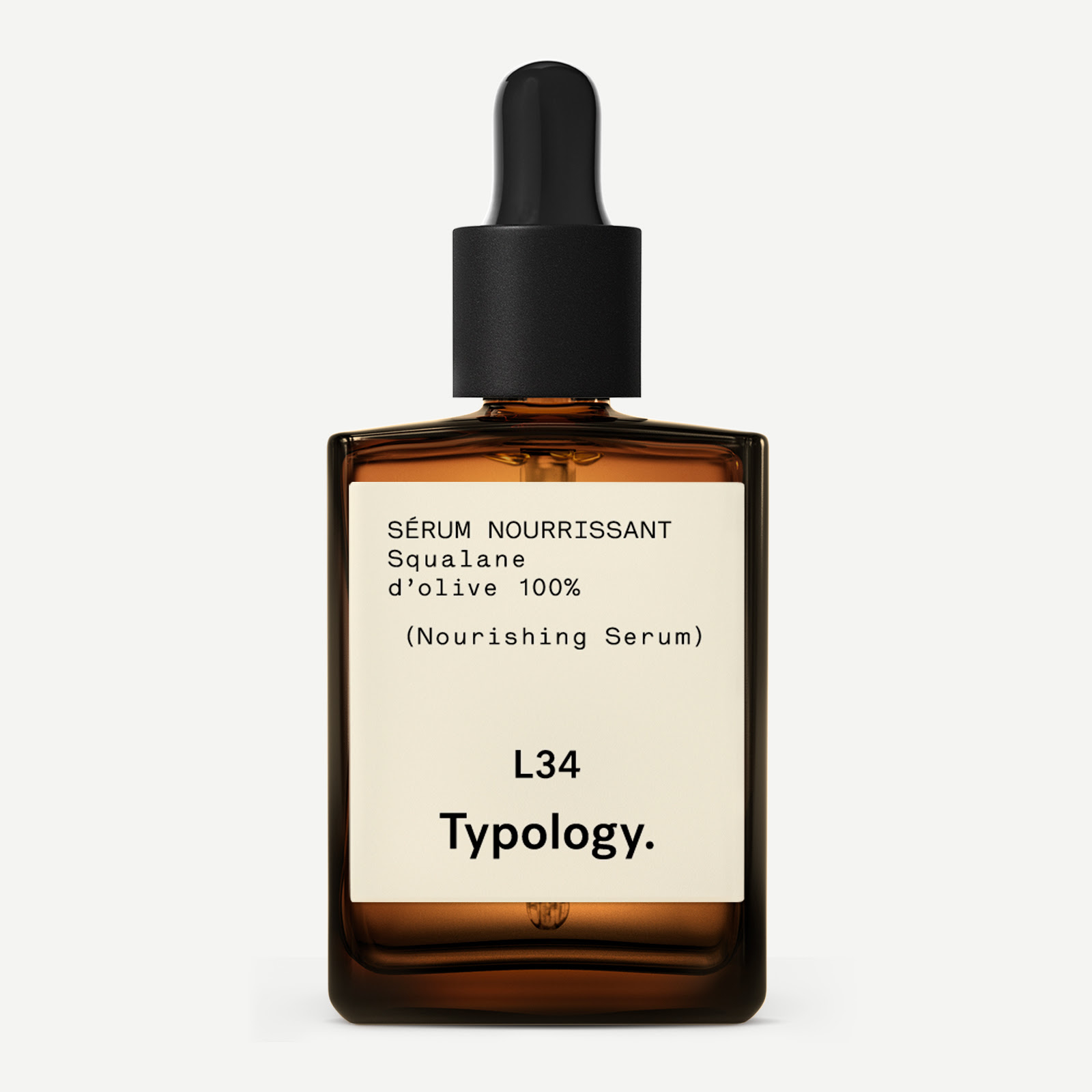
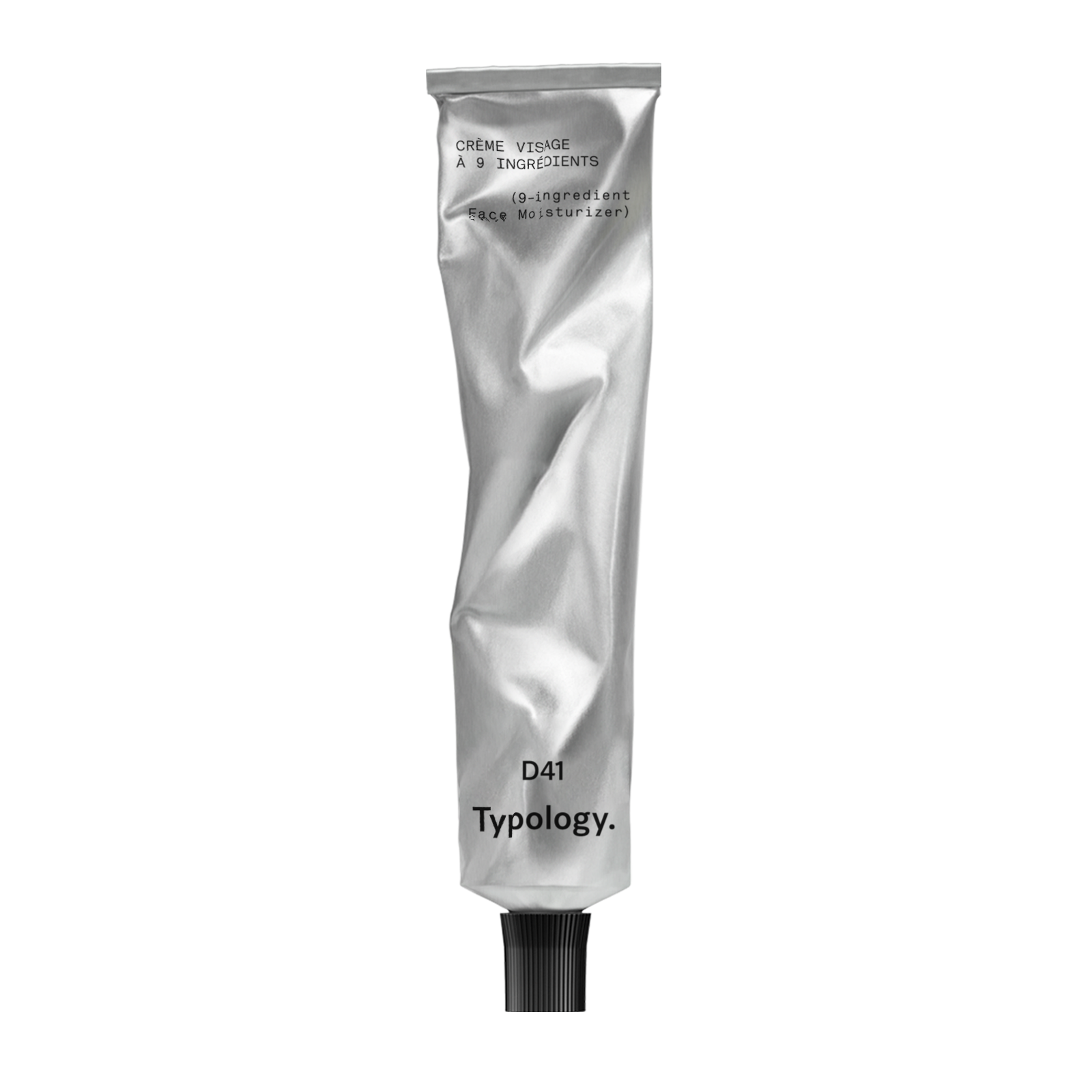
The Typology solution: Nourishing Serum with 100% Squalane or the 9-Ingredient Face Cream. These products supply the skin with essential lipids—without clogging pores—and restore its lipid balance.
2. Vasoconstriction (narrowing of blood vessels) & paler skin
The problem: To conserve heat in the body’s core, the fine capillaries in the skin constrict (vasoconstriction). The supply of oxygen and nutrients to the tissue temporarily decreases—and the complexion loses its glow.
“Due to reduced microcirculation in winter, the skin often appears dull and tired. Potent antioxidants, such as vitamin C, stimulate cell regeneration while simultaneously protecting the tissue from aggressive environmental free radicals.”
— Dr. Stephanie
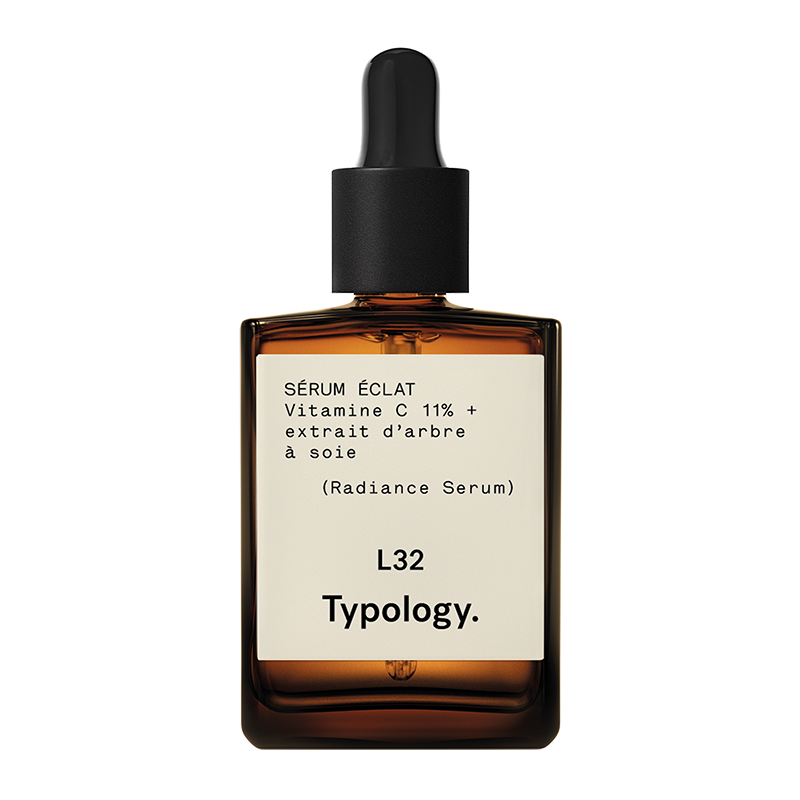
The Typology solution: a radiance-boosting serum with 11% vitamin C or a botanical oil for luminosity. Both provide instant radiance and act as powerful antioxidant shields.

3. Compromised Skin Barrier & Dehydration Due to Heated Air
The problem: The constant transition between freezing outdoor air and dry, heated indoor air strips moisture from the stratum corneum (the outermost layer of the skin). Cellular connections become fragile, leaving the skin susceptible to redness.
“During the heating season, we experience extremely low humidity. At this time, the skin requires more than just surface-level moisture; it needs a reservoir of active ingredients that can hydrate deeper layers of the skin and provide long-lasting relief from redness.”
— Dr. Stephanie
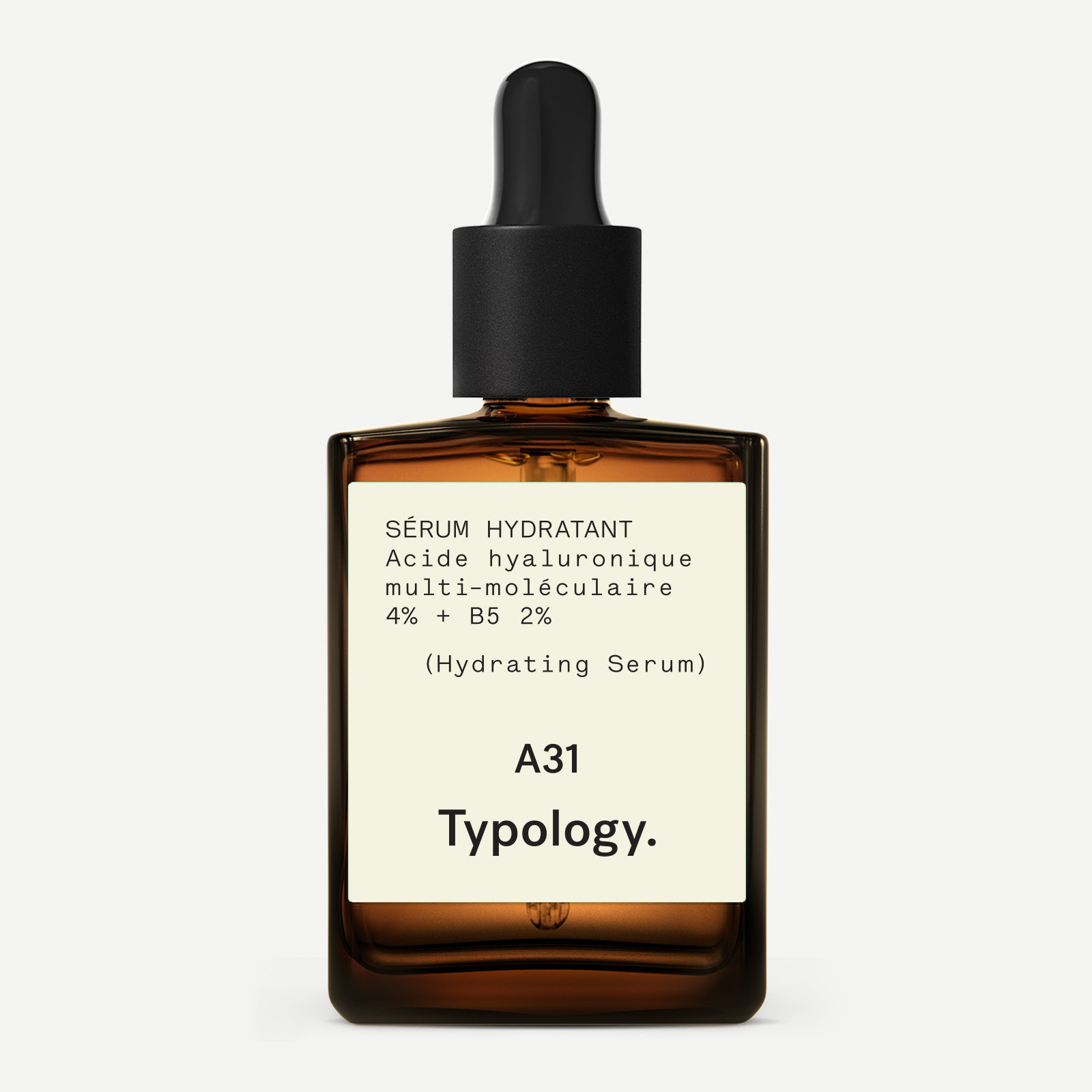
The Typology solution: Hydrating serum with 3% hyaluronic acid + polyglutamic acid. A dual complex that locks in moisture and strengthens the barrier layer.