

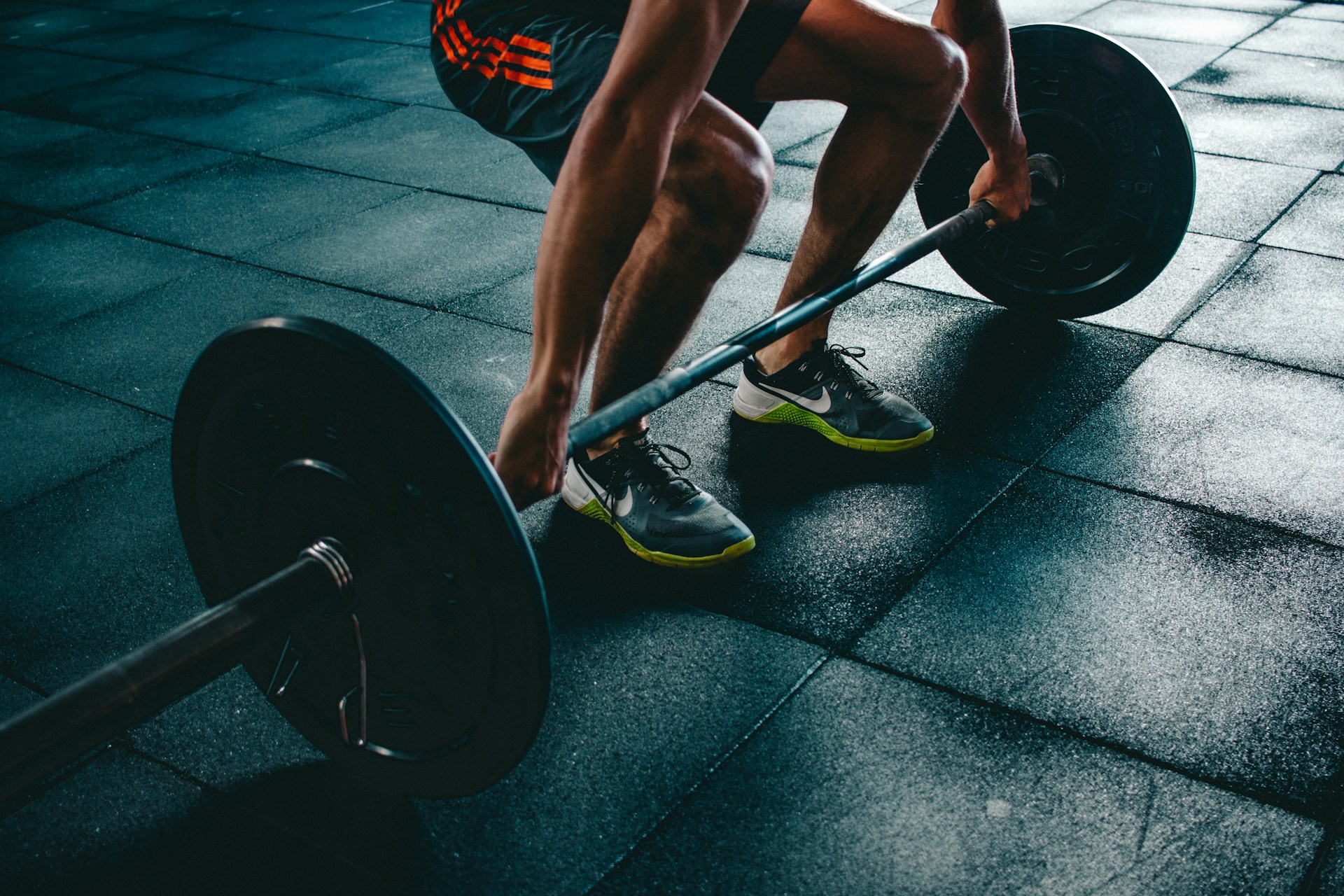
Foto von Victor Freitas auf Unsplash
Metabolism changes less dramatically in your thirties than popular wellness advice often suggests. If your energy feels lower or your waistline is changing, the more likely causes include reduced activity, less muscle, poor sleep, and eating habits that no longer match your routine. The broader metabolism and age evidence suggests that adult energy expenditure stays relatively stable for decades. That gives you plenty of control over how strong, energetic, and capable you feel after thirty.
Separating Age Myths from Inactivity
A busy schedule can quietly remove movement from your day. You may spend eight hours at a desk, drive instead of walk, and replace weekend sports with errands. Those changes reduce total daily energy use even when your gym routine stays the same.
Track your movement for one typical week before blaming age. Note your daily steps, structured exercise, sleep, and long periods of sitting. If you average 4,000 steps now but regularly reached 8,000 a few years ago, that gap matters. Add a ten-minute walk after lunch, take calls standing up, or schedule two short training sessions during the workweek.
Why Lean Mass Protects Daily Vitality
Muscle supports more than appearance. It helps you climb stairs, carry groceries, maintain balance, and handle physical stress without feeling drained. Lean mass also uses energy, though the effect on resting metabolism is often exaggerated. Its biggest value comes from keeping you active and capable.
Strength train two or three times per week with movements that cover your major muscle groups. Squats to a chair, rows, presses, hip hinges, and loaded carries can form a practical routine. Increase the resistance or repetitions gradually. If ten controlled repetitions become easy, adding a small amount of weight gives your body a clear reason to adapt.
How a Personal Trainer Refines Strength Goals
General goals such as “get fit” are hard to measure. A useful target might be completing eight pain-free push-ups, performing a controlled squat with a chosen load, or training twice weekly for eight consecutive weeks.
A personal trainer can assess your starting point, build a custom workout program, and adjust exercises as your strength improves. That guidance may help if you’re unsure about form, returning after a long break, or struggling to stay consistent. Ask how progress will be measured and how often the plan will change. Clear benchmarks make it easier to see improvement before visible changes appear in the mirror.
Nutrition Upgrades That Support Recovery
Training creates the stimulus for improvement, while food and sleep support the repair process. Build meals around a protein source, vegetables or fruit, and a carbohydrate that fits your activity level. Eggs with oatmeal, chicken with rice and vegetables, or Greek yogurt with berries are simple options.
The metabolism myth also shows why extreme restriction offers a poor answer to gradual weight gain. Aggressive diets can leave you tired and make training harder to sustain. Start with consistent meals and watch liquid calories or distracted snacking. Drink water throughout the day and aim for a regular sleep schedule, since poor sleep can affect appetite, recovery, and workout quality.
Building Resilience for the Long Haul
A durable fitness plan should survive busy weeks. Set a baseline you can maintain when work runs late, or family responsibilities increase. That might mean two 30-minute strength sessions and a daily walk, with extra activity treated as a bonus.
Pay attention to trends across several weeks instead of reacting to one sluggish workout or a temporary change on the scale. Track repetitions, resistance, walking pace, and how you feel during ordinary tasks. Persistent fatigue, unexplained weight changes, or a sudden drop in performance deserve a conversation with a qualified health professional.
Your thirties don’t come with an automatic metabolic deadline. Keep muscle on your frame, restore everyday movement, and let steady performance markers show what your body can still do.