

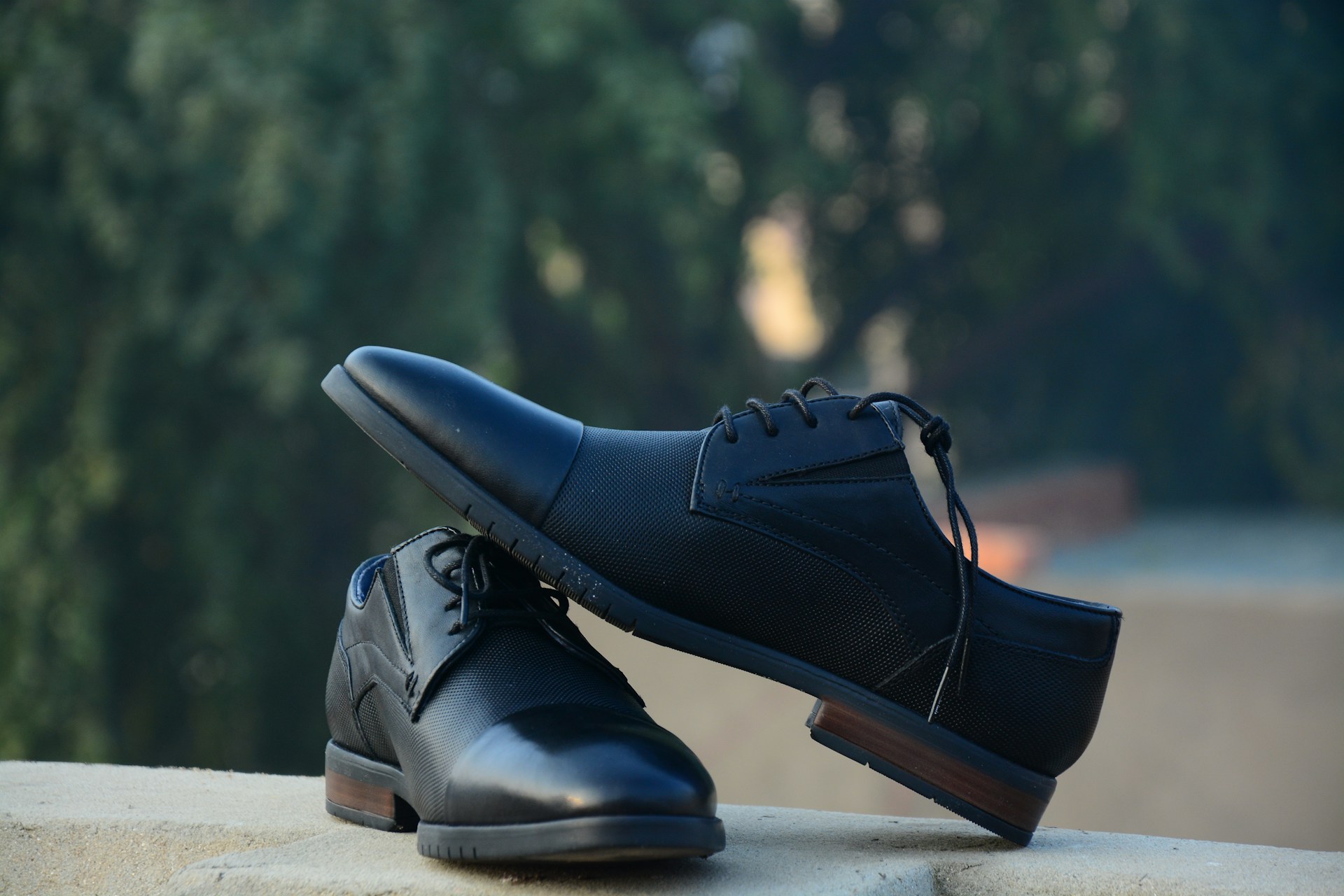
Foto von Davinder Singh auf Unsplash
Quality footwear earns its place in a wardrobe through years of reliable wear, easy styling, and comfort that improves over time. A well-made pair can support everything from weekday office outfits to relaxed weekend looks, often with only basic care between wears. The challenge is knowing which features justify a higher price. Materials matter, but construction, fit, and repair options are just as important when you’re searching for men’s shoes or boots that can last.
What Craftsmanship Looks Like
Start by examining how the upper meets the sole. Stitched construction, including Goodyear welting and Blake stitching, usually gives footwear more repair potential than a fully glued design. Look for neat seams, consistent stitching, and clean edges around the sole. Inside, a leather lining and a stable heel counter can improve comfort and help the footwear keep its shape.
Traditional handmade leather shoes also show how finishing details affect appearance. Carefully shaped uppers, balanced proportions and polished edges create a refined result without flashy decoration. Minor natural variations in leather are normal, while loose threads, uneven panels and visible adhesive deserve closer scrutiny.
Choosing a Pair You’ll Actually Wear
Match the design to your weekly routine before focusing on labels or rare materials. Someone who wears chinos and denim most days may get more use from a plain-toe boot or chukka than a highly formal dress shoe. A dark brown finish offers plenty of flexibility because it works with navy, gray, olive and most shades of denim.
If handcrafted American footwear fits your wardrobe and budget, you can buy Alden boots in established styles made with premium leathers. Compare the last shape, sole, and leather type before ordering. A sleek last suits tailored clothing, while a rounder toe and supportive sole tend to feel more natural with casual outfits.
Leather, Soles and Construction
Full-grain leather often ages well because its natural surface remains intact. Calfskin tends to look polished and works nicely in professional settings, while waxy leathers can handle a more casual rotation. Shell cordovan has a distinctive sheen and develops broad ripples instead of the fine creases commonly seen in calfskin, though it comes at a higher price.
Soles deserve equal attention. Leather soles feel elegant and relatively light, while rubber provides better grip on wet sidewalks. Combination soles split the difference. The broader case for investing in quality shoes rests partly on this ability to select materials suited to how and where you walk.
Fit Comes Before Prestige
An expensive pair that pinches your toes or allows your heel to slide won’t become a smart purchase. Try footwear later in the day when feet are slightly larger and wear the socks you expect to use regularly. Your toes should have room to move, the widest part of your foot should align with the widest part of the shoe, and the heel should feel secure.
Leather may soften across flex points, but it won’t reliably fix an incorrect length or narrow toe box. If you’re ordering online, measure both feet and compare the larger measurement with the retailer’s sizing guidance. Check the return policy before wearing the pair outdoors.
Care Protects the Investment
Give leather footwear a day to rest between wears whenever possible. This allows interior moisture to dry and helps the upper recover its shape. Cedar shoe trees can reduce odor, absorb some moisture, and smooth light creasing. Brush away surface dirt after each wear so grit doesn’t work into the leather finish.
Use conditioner sparingly every few months or whenever the leather begins to feel dry. Too much product can darken the color or leave a sticky surface. Polish is useful for restoring shine and covering small scuffs, while a qualified repair shop can replace worn heels or soles before damage reaches the upper.
Think in Years, Not Seasons
Price alone doesn’t establish value. Divide the cost by the number of realistic wears to get a clearer picture. A $500 pair worn twice a week for five years costs less than a dollar per wear, even before any resoling extends its useful life. A $120 pair worn ten times because it feels uncomfortable costs far more per outing.
Timeless shapes also protect long-term value. Plain toes, cap toes, chukkas and understated lace-up boots pair easily with changing wardrobes. Choose the pair that fits properly, suits most of your clothes and can be repaired. Years from now, the creases and patina should reflect regular use, not a purchase that stayed boxed in the closet.