

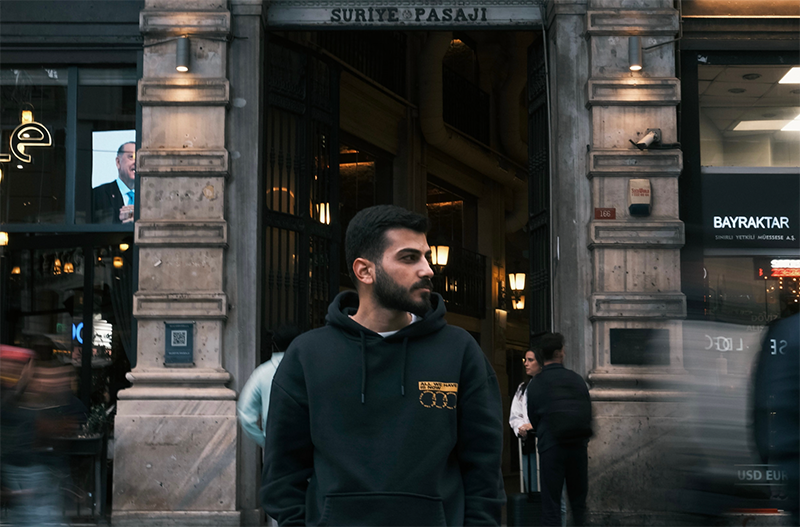
Clothing can reveal where you come from before you’ve said a word. A familiar crest, traditional pattern, or national color can connect an everyday outfit to family history and shared culture. Heritage clothing also gives you a practical way to celebrate identity at sporting events, community gatherings, and casual weekends. The key is choosing pieces that feel personal, work with your existing wardrobe, and remain wearable beyond a single occasion.
Fashion as Personal Storytelling
The connection between fashion and identity grows from the choices you make each morning. A symbol tied to your hometown might recall childhood summers, while lettering in your family’s language can acknowledge a bond that remains strong across borders.
Start with references that have meaning to you. Think about regional colors, historical figures, family traditions, or cultural achievements you genuinely value. You don’t need to explain every detail to everyone who sees the garment. Personal significance gives the design substance, and a good motif may naturally start conversations with people who recognize it.
For everyday use, choose one heritage-focused piece and build the rest of your outfit around it. This keeps the story clear without making the look feel like a costume.
Emblems That Transcend Fleeting Trends
Long-lasting heritage style often relies on symbols people have recognized for generations. Crests, geometric patterns, and regional typography carry context that trend-driven graphics rarely match. A practical guide to heritage clothing can help you distinguish culturally grounded design from short-lived decoration.
Look for motifs with a clear origin and a visual scale that suits how you dress. For men who want to express Croatian pride at a match or while living abroad, Croatian Hoodies offer one way to incorporate national symbols and cultural references into everyday casual wear.
Before buying, picture the item in three realistic settings. If it works at a casual gathering, during a weekend errand, and on a trip, it has a stronger chance of becoming part of your regular rotation.
Balancing Bold Motifs with Simplicity
Give a strong emblem room to stand out. Pair a graphic hoodie with solid jeans, plain sneakers, and a jacket that doesn’t introduce another large pattern. If the garment uses several bright colors, repeat one of them in a small detail such as your socks or cap. That creates a connection without making the outfit look overly coordinated.
The same principle applies to practical everyday clothing: balance statement pieces with versatile layers and simple silhouettes. This feature on utility-style workwear explores how functional garments can create a considered look without relying on excessive detail.
Scale matters as much as color. A large back graphic works well when the front and sleeves stay relatively restrained. Smaller embroidered details offer more flexibility and can sit comfortably alongside textured outerwear.
Use a quick mirror test before leaving home. Identify the first element that catches your eye, then check whether anything competes with it. Removing one busy accessory will often produce a sharper result than adding another coordinated piece.
Quality Construction That Lasts
Check the garment itself as carefully as its artwork. For hoodies and sweatshirts, examine the fabric weight, seam alignment, cuff recovery, and the way the hood holds its shape. Ribbed cuffs should stretch and return without remaining loose. Interior stitching should look even, with no long threads or puckered sections around printed and embroidered areas.
Read the care label before purchasing. A design you can only preserve through complicated cleaning may get little use. Turn decorated garments inside out before washing, use a cool cycle, and avoid excessive heat during drying. These habits reduce friction and help maintain both color and surface detail.
Heritage deserves better than a garment forgotten after one event. Choose a piece that fits your daily style, care for it properly, and let its emblem gather memories of its own.