

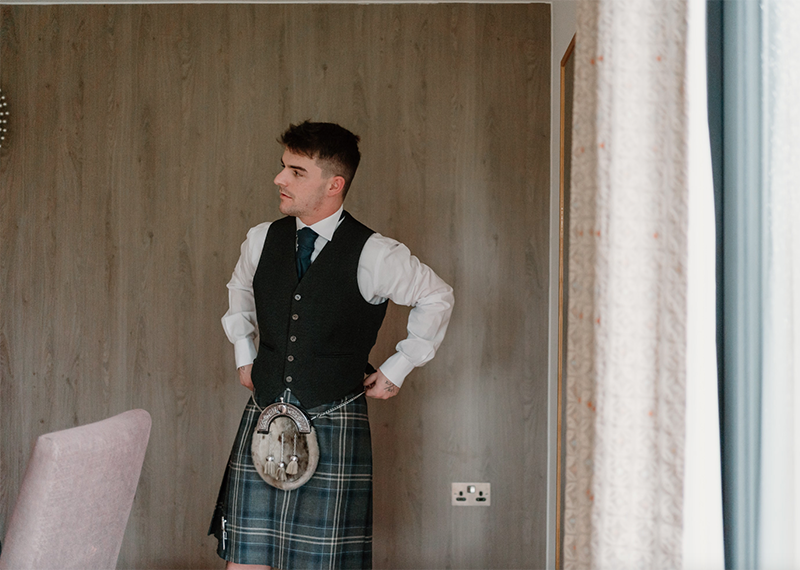
A themed event wardrobe should look intentional, feel comfortable and survive more than one night out. Instead of buying a complete outfit at the last minute, build your look around one quality garment and add details that suit the occasion. This approach gives you more control over fit and makes future events easier to dress for. Creative DIY costume customization can also turn affordable finds into pieces that feel personal without making the finished outfit look thrown together.
The Rise of Themed Gatherings
Themed gatherings now extend far beyond annual costume parties. Music festivals, heritage celebrations, fan conventions, charity events and milestone birthdays often invite guests to follow a specific visual idea. Even weddings may include historical, rustic or fantasy-inspired dress codes.
Start by checking how strictly the host expects guests to follow the theme. A formal heritage event may call for traditional fabrics and restrained accessories, while a casual birthday gives you room to experiment. Look for reference photos from the organizer and identify two or three recurring elements, such as a color palette, fabric type or period-inspired shape. Selecting those elements first helps you create a recognizable outfit without buying pieces that you’ll never use again.
Ditch the Disposable Kilt Costume for Real Fabric
Make the main garment your first purchase because it controls the fit, movement and overall quality of the outfit. Thin novelty materials can crease quickly, sit awkwardly and become uncomfortable after several hours. Real woven fabric has more structure and can be styled again for festivals, formal gatherings or casual social events.
When choosing a kilt costume for a themed event, consider how the garment will fit, move, and work with the rest of your outfit. Check the available sizing information, fastening details, and care instructions before buying. A well-chosen kilt can serve as the foundation for a look that feels deliberate rather than disposable, while the right shirt, footwear, and accessories help you adapt it to different occasions.
Color also affects versatility. A neutral utility style can work with boots and a casual shirt, while tartan offers a stronger traditional look. Choose based on the events you actually attend, not a single photo concept.
Essential Accessories to Complete the Look
Use accessories to reinforce the theme without crowding the outfit. Start with footwear that matches the event’s level of formality and can handle the venue. Outdoor festivals may involve grass, gravel and long periods of standing, while an indoor dinner allows for a more polished shoe.
The same principle applies when mixing statement pieces with everyday clothing. This look at utility-style menswear explores how practical garments, layering, and considered details can create an outfit that feels both functional and distinctive.
Next, add one or two visible details. A belt, textured pair of socks, simple vest or understated pin can connect the garment to the broader theme. The care labels on clothing should guide any cleaning decisions, especially when your outfit combines wool, cotton, leather or synthetic materials.
Try on the complete look at least three days before the gathering. Sit down, climb a flight of stairs and walk for ten minutes. This quick test exposes slipping belts, stiff shoes and loose accessories while there’s still time to fix them.
Practical Storage on the Move
Pack the outfit in the order you’ll need it. Place shoes in a separate bag, roll sturdy shirts to limit wrinkles and fold the main garment along its natural pleats. Small accessories belong in a zippered pouch, which prevents pins, buckles and socks from disappearing inside a suitcase.
For a local event, a breathable garment bag offers enough protection during the drive. Longer trips call for a packing cube that fits without crushing the fabric. Once you arrive, unpack everything and hang woven garments immediately. A steamy bathroom can release light wrinkles, but direct heat may damage certain fibers.
After the event, inspect the outfit before storing it. Remove surface dirt, empty every pocket and address stains promptly. Keep the garment in a cool, dry closet with enough room to preserve its shape.
A useful themed wardrobe grows around pieces you genuinely enjoy wearing. Once the central garment fits well, accessories can change its mood from relaxed to formal without forcing you to rebuild the outfit for every invitation.