

Foto von Filip Rankovic Grobgaard auf Unsplash
Modern dentistry has undergone a remarkable transformation in recent years, shifting from a purely clinical focus to a more patient-centered approach. Today, dental practices are not only concerned with oral health outcomes but also with ensuring that patients feel comfortable, informed, and confident throughout their experience. This evolution is reshaping how people perceive dental visits, turning what was once a source of anxiety into a more positive and even empowering experience.
Advanced Technology Enhancing Comfort
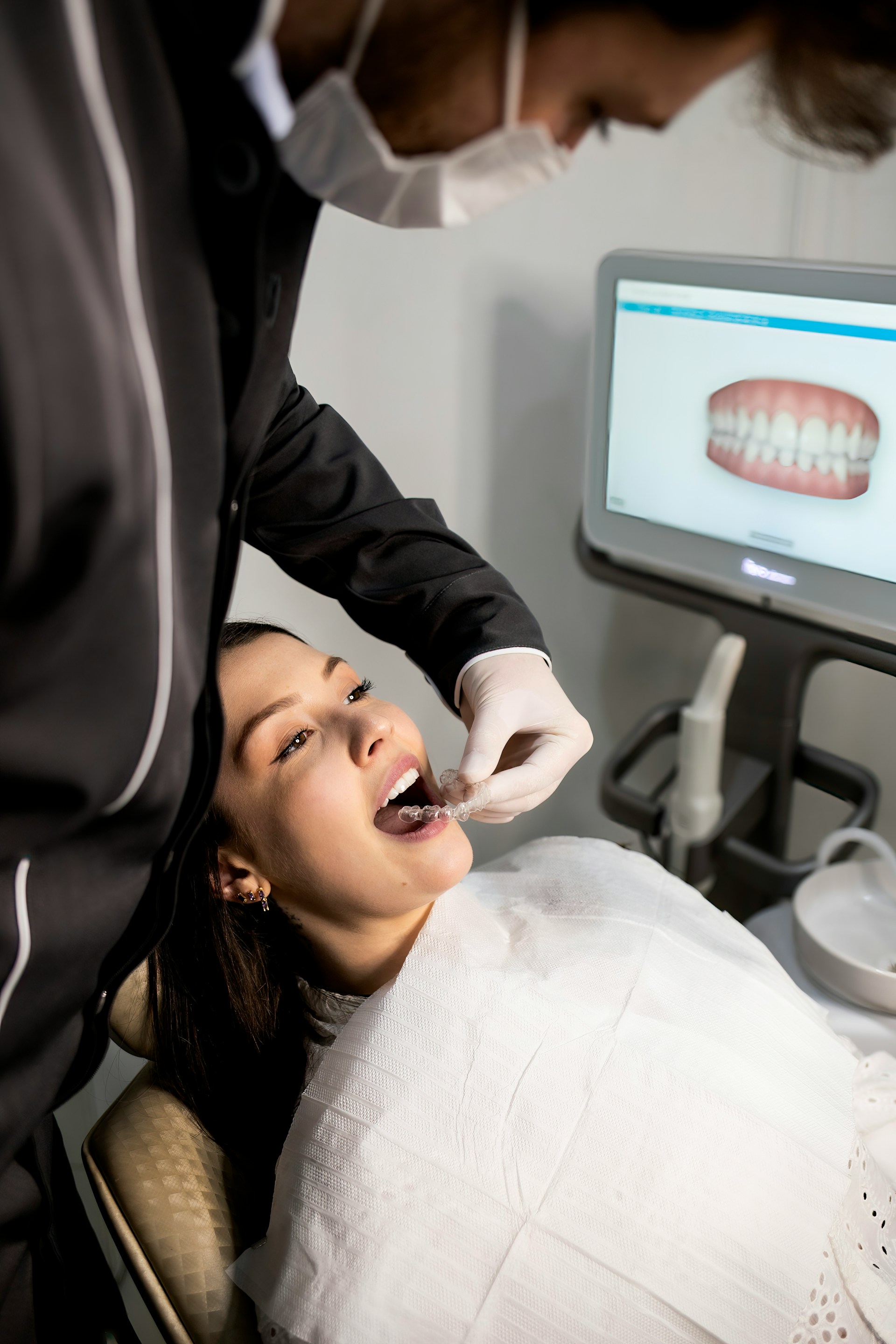
One of the most noticeable changes in modern dentistry is the integration of advanced technology. Digital imaging, 3D scanning, and computer-aided design have significantly reduced the need for invasive procedures. Traditional molds, for instance, are being replaced by quick and accurate digital impressions, which are far more comfortable for patients.
Laser dentistry is another innovation that has improved patient comfort. Procedures that once required drills and anesthesia can now be performed with minimal discomfort, reduced bleeding, and faster healing times. These advancements not only improve clinical precision but also help patients feel more at ease during treatments.
Reduced Waiting Times and Efficient Care
Efficiency plays a major role in improving patient experience. Modern dental practices are leveraging digital systems to streamline appointments, reduce waiting times, and improve communication. Online booking, automated reminders, and digital patient records make the entire process smoother and more convenient.
Patients no longer have to deal with long delays or repeated visits for the same procedure. With technologies like same-day crowns and rapid diagnostics, many treatments can be completed in a single appointment. This efficiency is particularly valuable for individuals with busy schedules who want high-quality care without disruption to their daily lives.
A Focus on Communication and Transparency
Another significant improvement in modern dentistry is the emphasis on clear communication. Dentists now prioritize educating patients about their oral health, treatment options, and expected outcomes. Visual tools such as digital scans and before-and-after simulations help patients better understand their conditions and make informed decisions.
Transparency in pricing and treatment plans also builds trust. Patients appreciate knowing what to expect, both financially and procedurally, which reduces anxiety and creates a stronger sense of partnership between dentist and patient. Whether visiting a family clinic or seeking a specialist like a Bognor Regis private dentist, this level of openness is becoming a standard expectation.
Creating a Relaxing Environment
Modern dental clinics are increasingly designed with patient comfort in mind. Gone are the days of sterile, intimidating environments. Today’s practices often feature calming interiors, soothing music, and even entertainment options such as screens or virtual reality headsets to distract patients during procedures.
Some clinics also offer amenities like aromatherapy, noise-canceling headphones, and comfort menus, allowing patients to personalize their experience. These thoughtful touches can make a significant difference, especially for those who experience dental anxiety.
Minimally Invasive and Preventive Approaches
Preventive care has become a cornerstone of modern dentistry. Instead of waiting for problems to develop, dentists now focus on early detection and intervention. Regular check-ups, improved diagnostic tools, and personalized care plans help identify issues before they become serious.
Minimally invasive techniques further enhance the patient experience by preserving more of the natural tooth structure and reducing recovery times. Patients benefit from less discomfort, fewer complications, and better long-term outcomes.
The Role of Personalization in Treatment
Every patient is unique, and modern dentistry reflects this through highly personalized care. Dentists now consider factors such as lifestyle, medical history, and individual preferences when designing treatment plans. This tailored approach ensures that patients receive care that aligns with their specific needs and goals.
From cosmetic enhancements to restorative treatments, personalization helps patients feel valued and understood. It also leads to better results, as treatments are more closely matched to each individual’s circumstances.
Looking Ahead
The future of dentistry continues to focus on innovation and patient satisfaction. As technology evolves and practices become even more refined, the patient experience will only continue to improve. Modern dentistry is no longer just about fixing problems, it’s about creating a comfortable, efficient, and supportive journey toward better oral health.