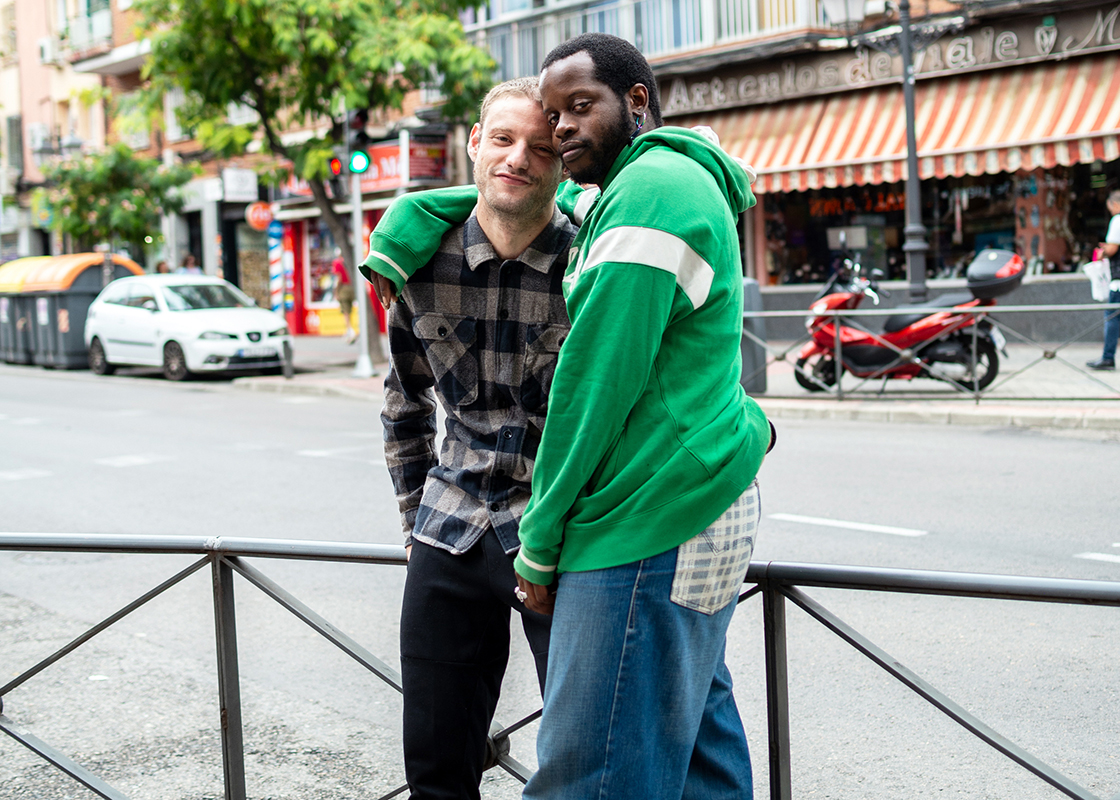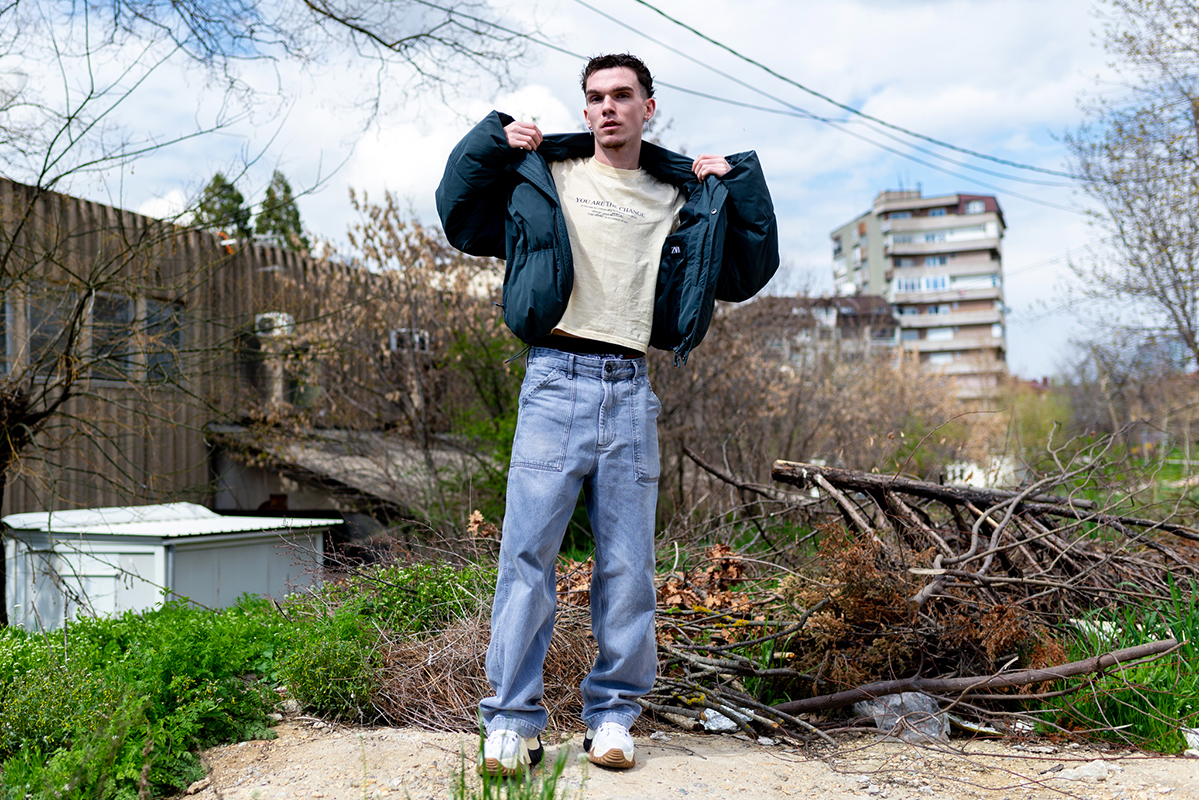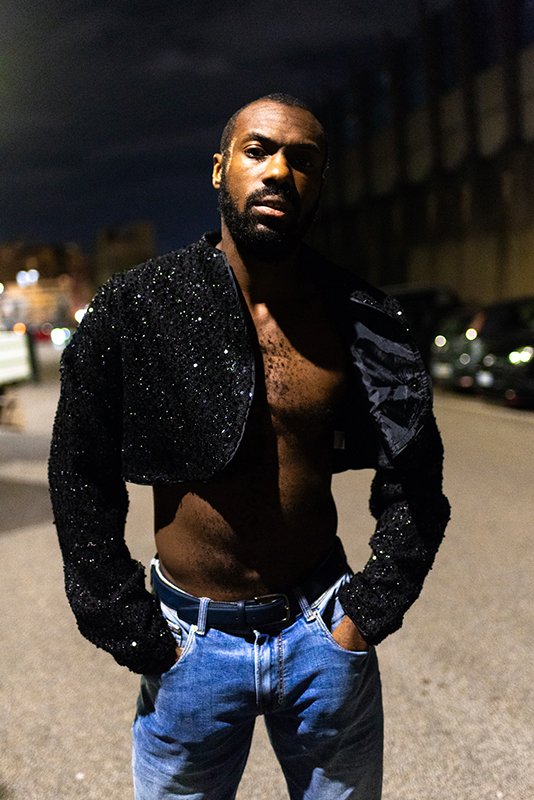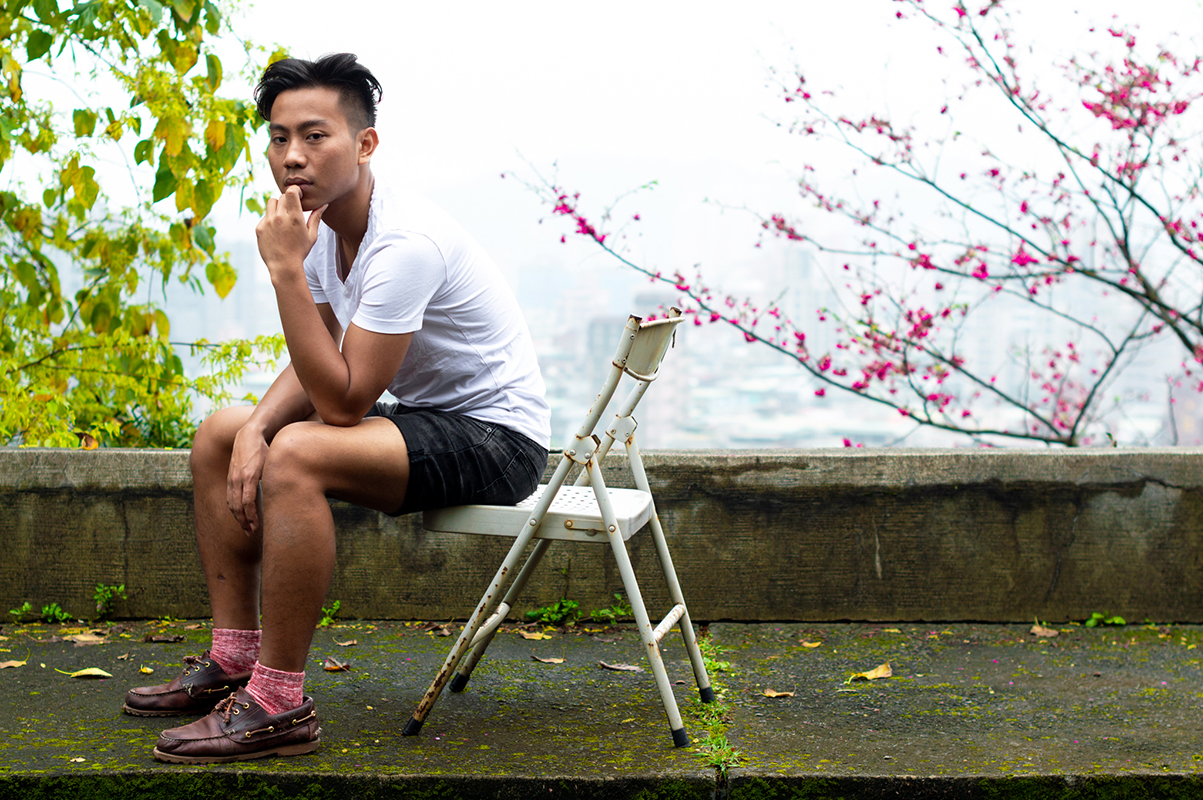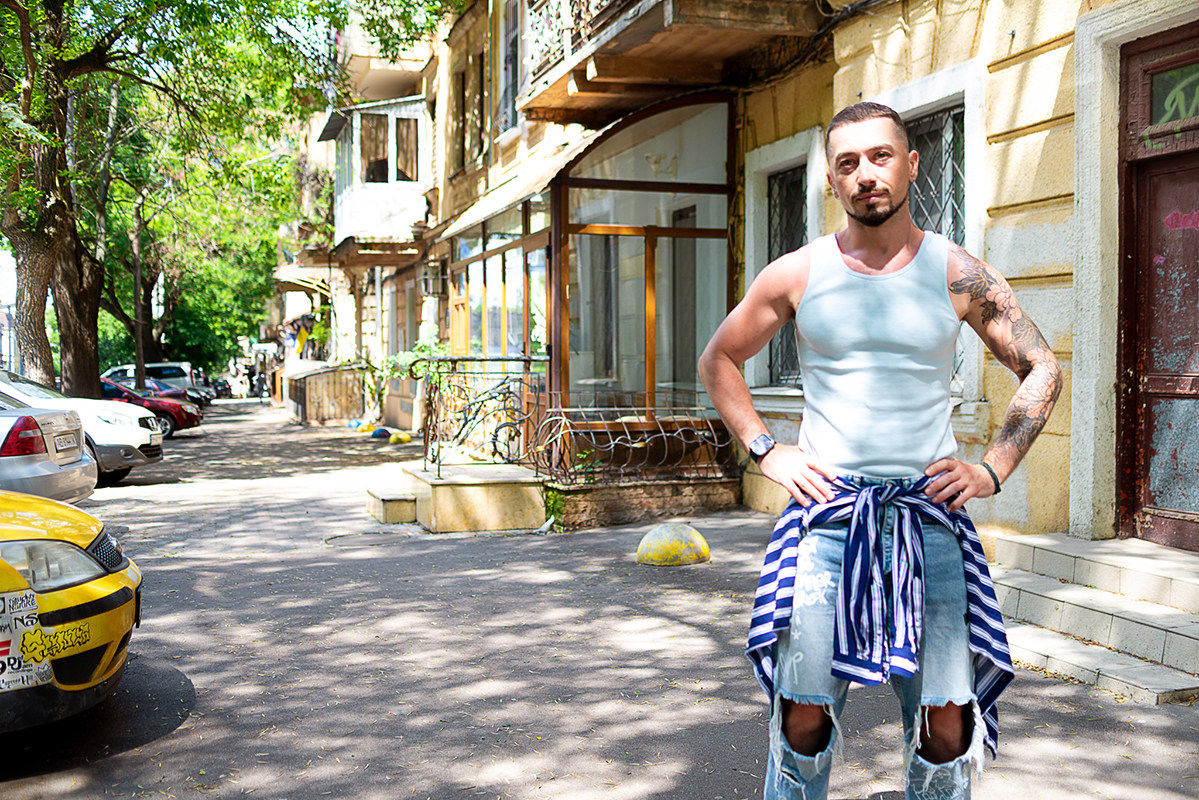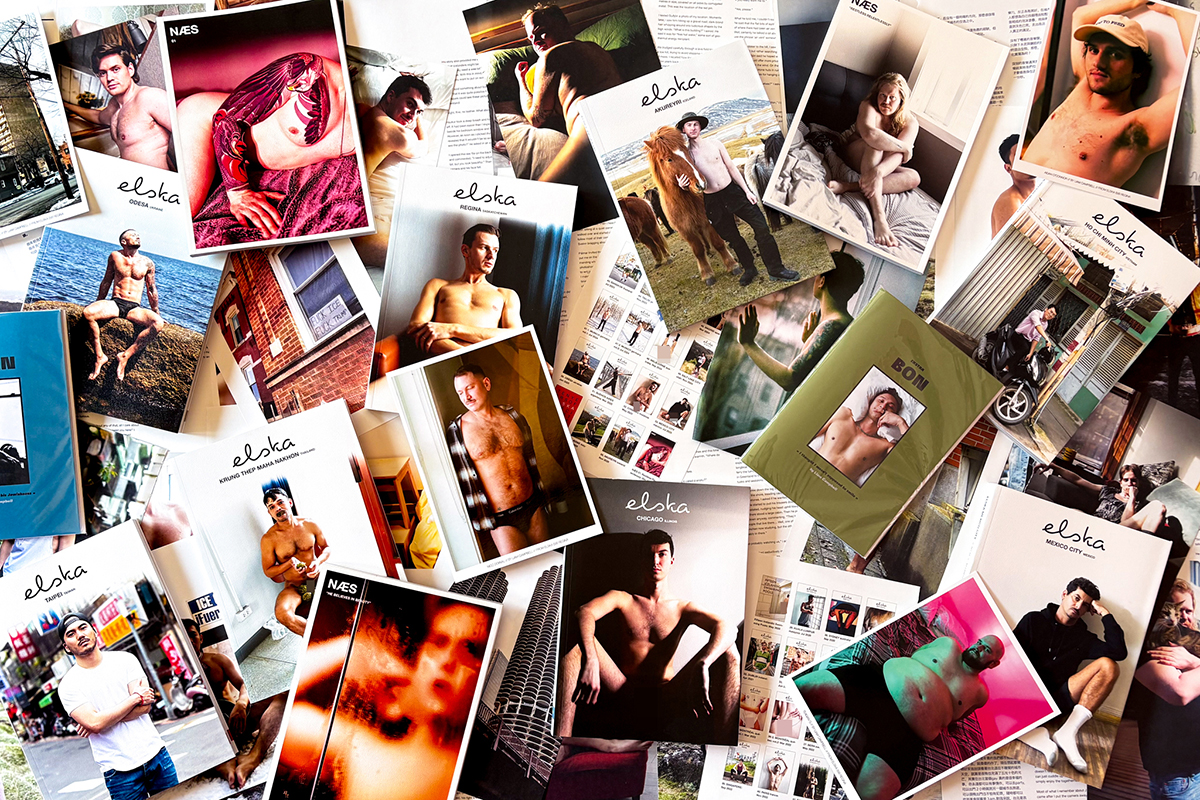
This week, independent gay photography magazine Elska celebrates its 11th anniversary, marking more than a decade of travelling the world to photograph and share stories of ordinary men from local queer communiVes around the world.
Since launching in 2015, Elska has published sixty issues, each dedicated to a different city and featuring photographs and personal stories from a cross-secVon of men who live there. From Taipei and Tbilisi to Chicago and Chisinau, from Berlin and Bogotá to Mexico City and Ho Chi Minh City, the project has grown into an extensive photographic record of global queer life.
“It’s strange to think that something I started almost accidentally has now been going for 11 years,” says Elska editor and chief photographer Liam Campbell. “When I made that first issue in Lviv, Ukraine, I had no idea whether anyone would be interested in it. I didn’t even imagine I’d be doing it a year later, let alone eleven years and sixty issues later.”
Elska began as an alternaVve to the convenVonal photography world where only a Vny fracVon of men — those ficng a narrow convenVon of adracVveness — were given space. Campbell, then working as a flight adendant and a part-Vme commercial photographer, began photographing people he met during his layovers. Rather than looking for professional models, he became interested in ordinary people whose looks and lives were rarely represented in mainstream media.
That principle remains at the heart of Elska today. ParVcipants are invited not only to be photographed but also to contribute a personal story, allowing each issue to combine inVmate photography with first-person accounts of everyday queer life.
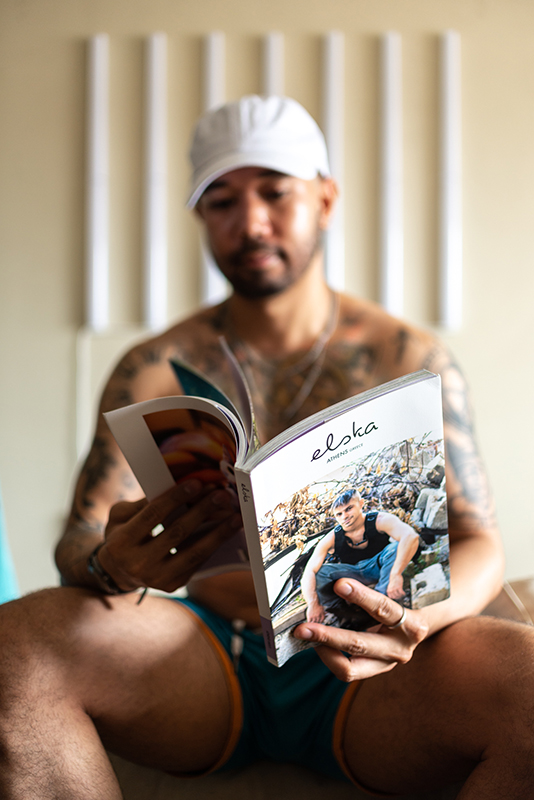
Over the years, the project has also had to adapt to a dramaVcally changing media landscape. Several landmark LGBTQ+ bookshops, where Elska could be discovered in the wild, have gone out of business, and the media ecosystem that once helped promote independent projects has diminished. Social-media plaiorms have become increasingly unpredictable for photographers working with LGBTQ+ subjects. In 2025, Elska’s Instagram account, which had grown to more than 17,000 followers, was permanently deleted by Meta. The loss effecVvely erased almost a decade of accumulated audience, forcing the project to rebuild its social-media presence from scratch.
“Losing 17,000 followers overnight was probably the biggest reminder I’ve ever had that you can’t rely on any plaiorm and its algorithms,” says Campbell. “It was devastaVng, but it also made me think about what Elska actually is. UlVmately, it isn’t an Instagram account. It’s the print books, the photographs, the stories, and the people who took part in them. Those things are sVll here.”
“I’m incredibly grateful that Elska has survived this long,” Campbell adds. “Eleven years is a very long Vme for any independent creaVve project, parVcularly one that has never had a large company or insVtuVon behind it. I’m proudest not of the number of issues, but of how many different people have allowed me into their lives and trusted me with their stories.”
Elska’s journey conVnues — documenVng the ordinary, inVmate and diverse realiVes of gay life one city at a Vme. The 60th issue, Elska Chicago, has recently been released, and the upcoming roster of ediVons features ciVes across four different conVnents.
Elska print magazines are available through selected stockists worldwide and from the Elska website, alongside digital ediVons, signed art prints, subscripVons and more.
More informaVon: www.elskamagazine.com