

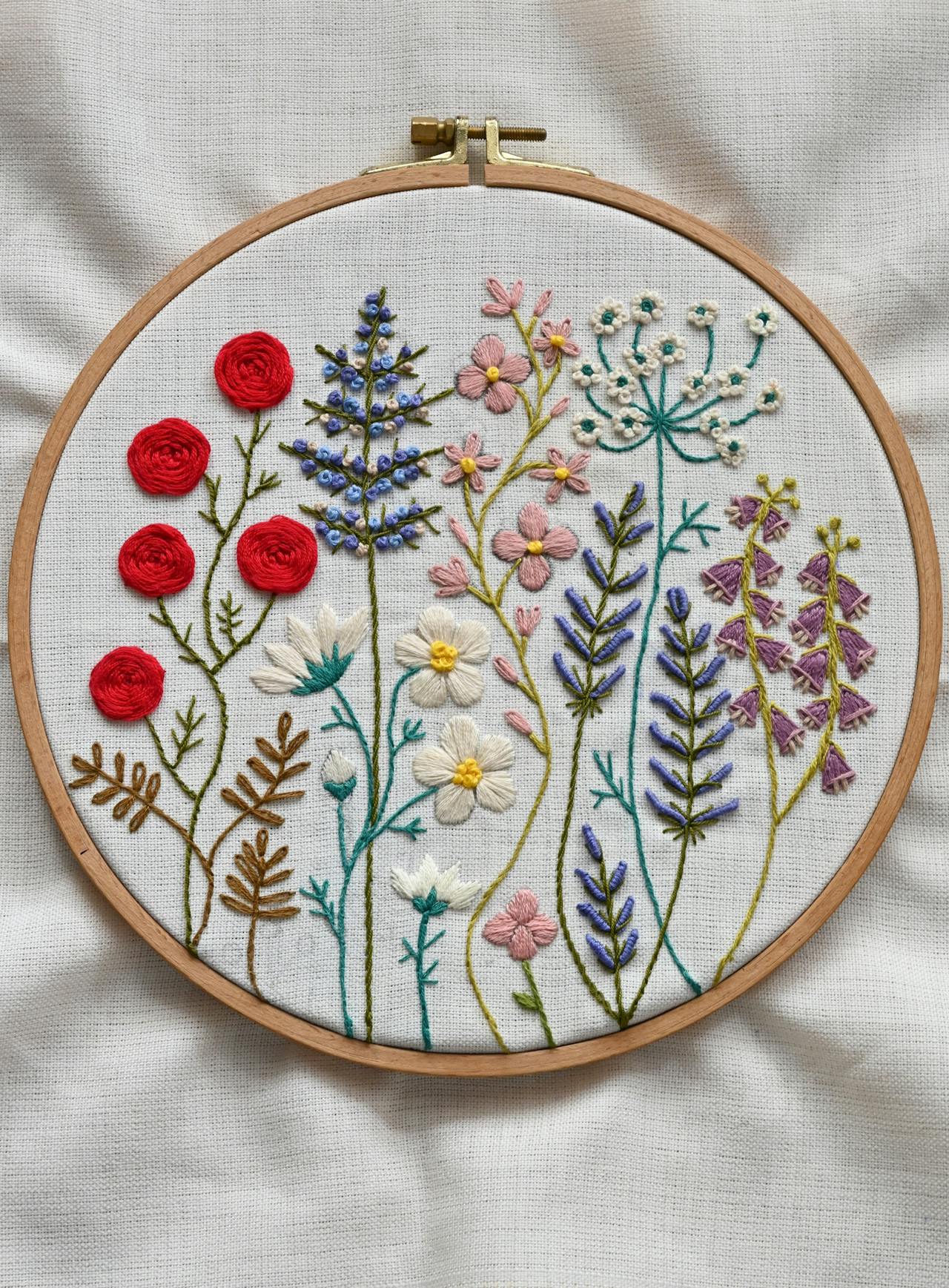
Photo by Saliha Sultan Söğütlü
Ever slipped on a polo shirt with that crisp, fancy stitched logo and suddenly you felt like you were strutting down the runway instead of walking on the street? That’s the magic of embroidered apparel. It is not just clothing; it is an outfit that got a VIP upgrade.
In this article, we will dive into why a bunch of threads poked through fabric make everything feel so premium. So button up as we go through this stitchy saga, and we will unpack history, the toughness, the feels, and why your wallet might thank you in the long run.
Let’s thread the needle and get started!
From Ancient Bling to Modern Swag
Embroidery is not some newfangled trend cooked up by TikTok influencers; its roots go deeper. Embroidery dates back at least 30,000 BC, and archaeologists have found fossilized remains. So, cavemen at that time were not just grunting around fires, but meticulously threading needles to make their mammoth hides extra stylish.
Fast-forward a few millennia, and embroidery became a status symbol in the Middle East, where rich folks used it to flaunt their wealth. Silk, wool, and linen were mostly used for fabric and stitching, turning their cloth into wearable art.
Embroidery then became the Beyoncé of crafts by medieval times. The first pattern books popped up in Germany, and the stitch gospel spread across England, France, and Italy.
Today, the historical heft lingers. The global embroidery market is on the rise, worth USD 5.2 billion in 2024 and set to hit USD 8.5 billion by 2033. The growth is fueled by the fashion industry’s increasing focus on high-quality, customized apparel.
So, looking back at history, when you slip on an embroidered polo or a hoodie, you’re channeling centuries of luxury.
Raised Threads, Raised Standards – Answering the ‘Why’
There’s something about stitched designs that instantly upgrades an outfit from “meh” to “wow, where’d you get that?” Embroidery offers exclusivity in thread form, and the following pointers explain just that.
The Touch Feel Factor: The Texture that Screams Luxury
The secret to why embroidered apparel feels luxurious is its rich, irresistible texture. Unlike flat prints, embroidery weaves threads right into the fabric, creating a textured, raised, dimensional finish that’s basically a mini sculpture on your shirt.
Moreover, embroidery is all about premium texture. It is not flat or forgettable. It is raised, 3D, and elevates the garment, making it professional and upscale. Embroidery on your apparel screams, Touch me, but respectfully.
If you want to level up your wardrobe, custom embroidery is easier than ever. Search for custom embroidery near me if you are branding team uniforms or personalizing gifts. You will uncover some fascinating places and meet stitch wizards who turn your ideas into masterpieces.
Durability That Outlives Trend
Embroidered designs are tough cookies. They add a layer of protection to the fabric, making your apparel more durable and resistant to wear and tear. They also hold up through washes, weather, and whatever chaos life throws at them. In addition, embroidery resists all sorts of fabric cleaners and conditions.
Embroidery is like that friend who shows up to every party, rain or shine. This durability translates into value: you buy once and wear forever. Your investment pays off in longevity.
In addition, surveys show folks prefer embroidery for its professional look and durability. So it is not just the hype; numbers prove that embroidered apparel is the premium pick.
The Uniqueness Quotient – Blend in/Stand Out
Embroidery is your life raft to individuality. It is customizable down to the stitch, letting you tweak colors, fonts, and designs to match your vibe. Do you want a monogram that delivers CEO vibes? Or a unique, quirky patch that’s 100% you? Embroidery nails it and delivers without monotony.
The uniqueness amplifies the premium perception, making your apparel feel like personalised art. Moreover, people pay more for a custom touch; stats show that 1 in 5 consumers is willing to pay a 20% premium for custom-designed products.
In a world where everyone’s copying trends, embroidery lets you zig while others zag.
Premium Feel Without the Price Tag Shock
Embroidered apparel might look fancy, but it’s actually one of the most cost-effective branding moves you can make. Why? Because embroidery doesn’t quit. Your embroidered work shirts will outlive, saving you from constant replacements.
Moreover, they look premium, even if you didn’t pay premium prices. A simple stitched logo instantly upgrades the outfit, making employees look professional and customers feel like they’re wearing something special.
Stitching Sustainability
In today’s green world, embroidery scores points for its eco-friendliness. Using durable threads means less waste; your item lasts longer, reducing fast-fashion trash. The thing Mother Earth approves!
Furthermore, the chemical factor is low because embroidery uses threads. That means less water pollution, fewer harsh substances, and a much happier planet overall.
Embroidered pieces are timeless and have a classic appeal that never goes out of style. A stitched logo is not tied to fleeting trends, so your clothing does not feel outdated or end up in the “what was I thinking?” pile.
What’s more, embroidery pairs perfectly with sustainable materials like organic cotton and recycled fabrics, making it easy to support eco-friendly choices.
Final Stitch: Because Premium is in the Details
From ancient cave couture to modern market booms, it’s the upgrade your apparel deserves.
At the end of the day, embroidery just hits different. There’s something about stitched designs that instantly says, “Yes, this is a good choice.” Embroidery feels premium because it is built to last and to impress.
Embroidery sticks around. The raised threads add depth, detail, and a touch of “I care about quality” energy to any piece. Embroidered pieces also age gracefully, quietly whispering timeless. Moreover, it is classy, durable, and gives off premium vibes, one stitch at a time.
So next time when you feel that raised stitch under your fingers, remember, you’re not just wearing clothes; you’re wearing art with attitude.